Your customers already wrote your next ad.
The most valuable research you own is sitting in the comments under the ad you are running right now. WhyItWon pulls it, clusters it into themes, and ladders every objection down to the root fear underneath, then turns that into angles you can actually use.
The creative brain behind ad.
This is one node of the same brain. See how it all connects, from decoding your ads to the scored brief, in one short film.
Watch the filmThe objection is on the surface. The winning angle is the fear underneath.
It reads the live comments on your ads, plus Reddit and reviews, clusters them into themes, then ladders each objection down to the root fear driving it. That fear is where the next angle comes from. Here it is on three very different customers.
Illustrative reads on demo brands. On your account, these are your own comments, quoted verbatim.
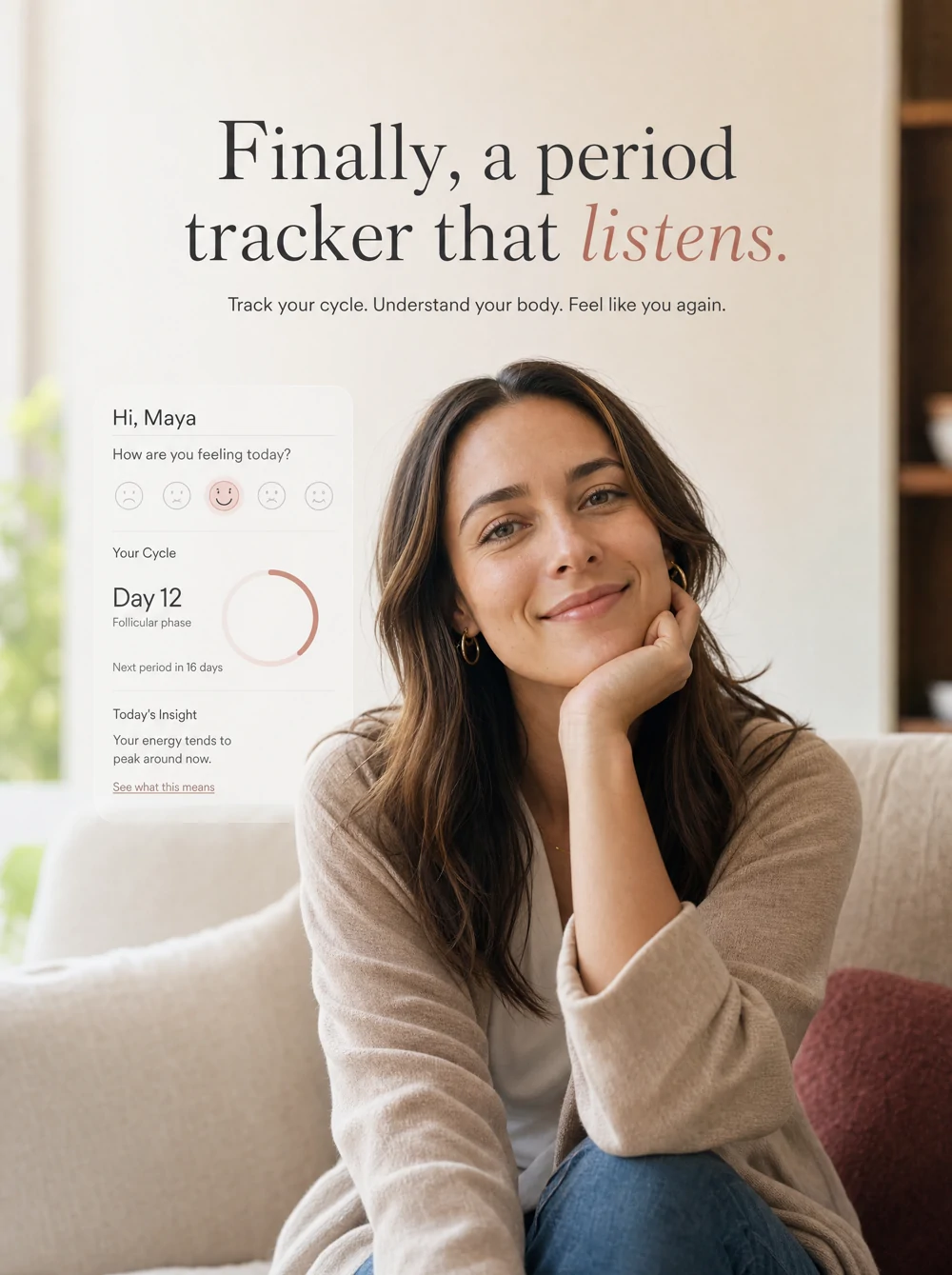
root fearWillow · Women's health
The objection is 'too expensive.' The fear underneath is being dismissed by doctors, again.
 root fear
Torch · Fitness
'I've tried everything' is not fatigue. It's the fear that they are the problem, not the program.
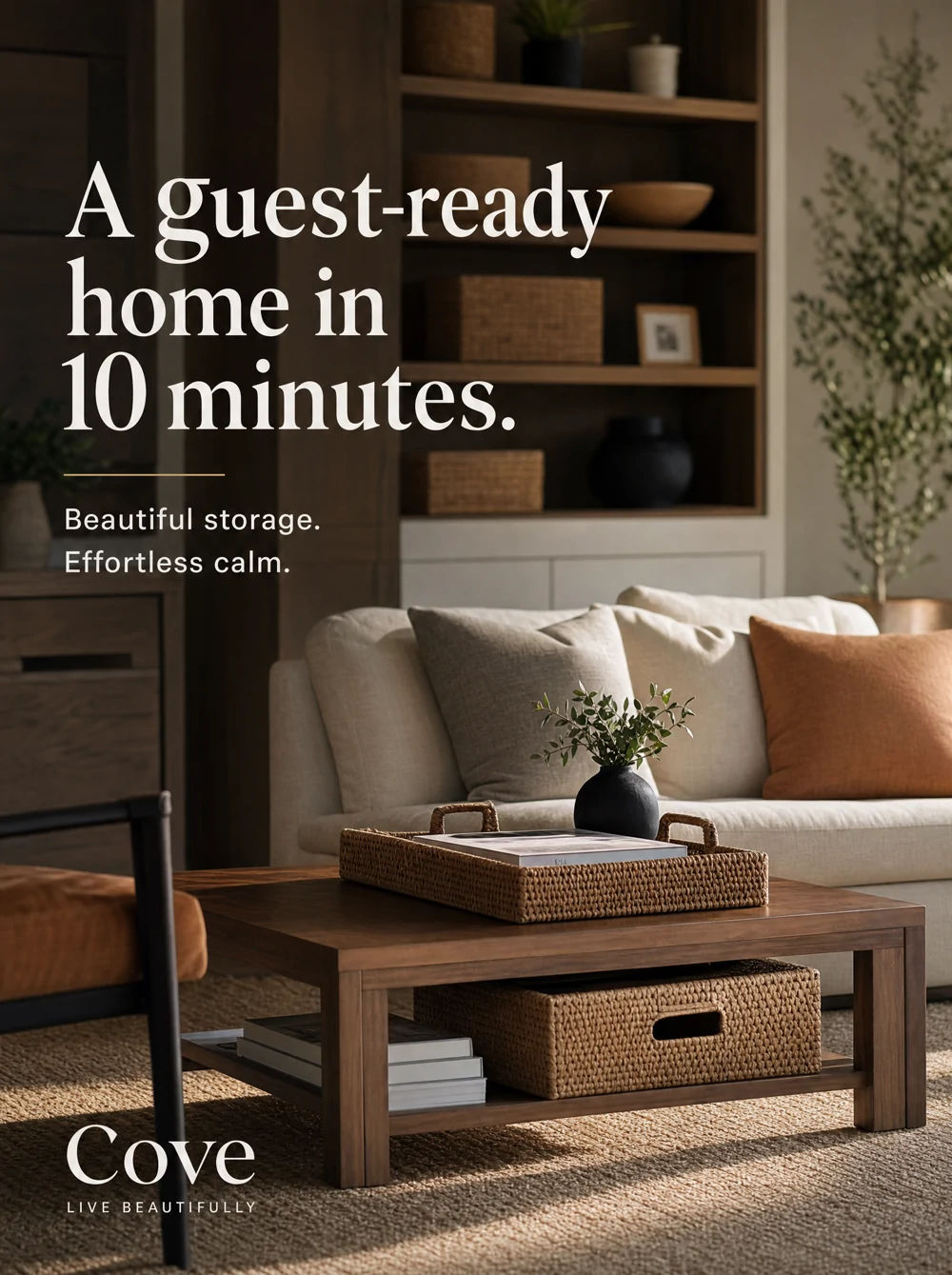 root fear
Cove · Home goods
The complaint is about clutter. The fear is being judged when guests come over.
It reads what your customers say, not just what your ad says.
Reading the creative is common. Reading the audience, in their own words, and laddering it down to the fear underneath, is the part almost nobody does.
Three passes, not a word cloud
It pulls the live comments on your running ads, plus Reddit and reviews, extracts themes with verbatim quotes, and researches the brands, people and references customers actually name.
Laddered to the root fear
A complaint about price is rarely about price. It ladders each objection down to the root fear underneath, which is where the winning angle actually lives.
Out as angles, not sentiment
The output is concept directions and hooks written from the customer's own language, feeding the same brief generator as your winners, not a dashboard of positive versus negative.
Your next winning angle is usually already written, in the comments under your current ad.
Enterprise genome platforms
read the creative and the numbers. They stop at the ad. There is no public evidence Alison or AdGe read a single customer comment.
WhyItWon
reads the customer: the live comments on your running ads, plus Reddit and reviews, clustered into themes and laddered to the root psychological fear, then synthesised into concept directions.
What it actually does
Three passes, not a word cloud
It extracts themes with verbatim quotes, researches the named entities customers mention, then synthesises creative directions. The output is angles and hooks, not a sentiment score.
Down to the root fear
A complaint about price is rarely about price. It ladders objections to the RootBlock underneath, the actual fear, which is where the winning angle lives.
Reddit, reviews and organic too
Beyond ad comments, it mines Reddit, reviews and organic outliers into a pain leaderboard and a hook bank, so the customer's own language is always in the brief.
Almost no one reads the customer. We built the page around it.
Most of the category analyzes what advertisers say. Reading what customers say back, the ad comments, Reddit and reviews, and laddering it to the fear underneath, is the layer that is mostly empty.
Assessed from each tool's public product and positioning. We keep this honest, they are good at what they do; this is the one job we do differently.
In the product
Comment analysis on every ad, and the audience map.
This is the layer no competitor touches. Reading the ad is common. Reading the customer, in real time, and laddering it to the fear, is the wedge.
See it on your own account.
Book a 30-minute teardown. I will run your ads through this and give you five to eight specific reasons they are winning or losing right now. The findings are yours either way.